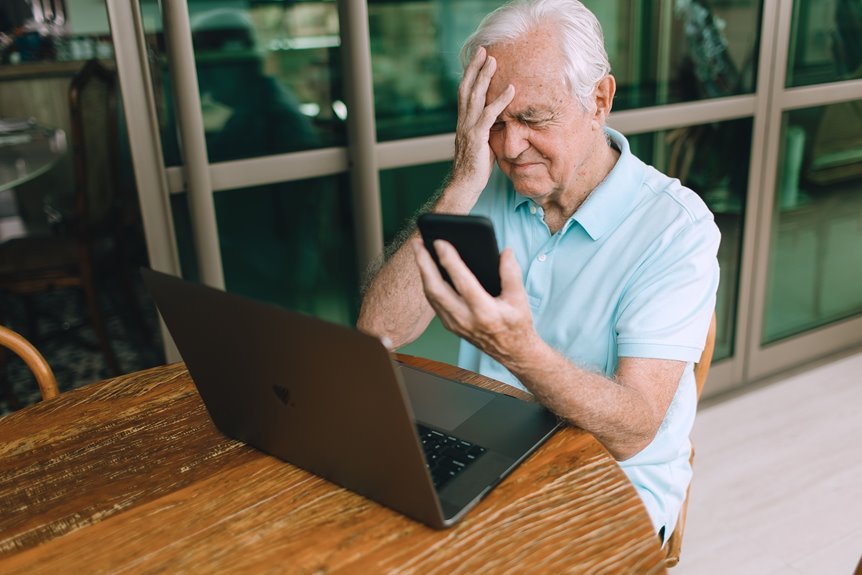
Smart troubleshooting centers on calm, methodical steps. Start with quick checks: power, connections, and baseline function. Note recent changes or error codes. Use a portable toolkit and document symptoms for incremental testing. Apply repeatable procedures to isolate faults, minimize disruption, and verify fixes independently. This approach helps everyday users regain control with clear, practical steps—and the process invites you to explore further, where each verified result opens the path to a deeper, more reliable resolution.
What Smart Troubleshooting Is and When to Use It
Smart troubleshooting refers to a structured approach for diagnosing and resolving common tech issues using systematic steps, diagnostic tools, and practical checks. It guides users to identify symptoms, isolate causes, and verify fixes without unnecessary complexity. This method suits those seeking autonomy, efficiency, and control over Everyday issues, encouraging calm, logical assessment before escalation or replacement.
Quick Diagnostic Steps Your Everyday Issues Share
Do everyday devices share a common pattern of quick checks that quickly pinpoint common faults? Yes, a disciplined sequence can reveal issues rapidly. Smart diagnostics guide the process: verify power, inspect connections, test basic function, review recent changes, and note error codes. Record observations for future reference. Everyday fixes emerge from consistent steps, enabling swift, independent troubleshooting and informed problem solving. Continuous refinement encourages confident, autonomous use.
Toolkits and Tactics for Home Device Fixes
Effective home-device fixes rely on a well-rounded toolkit and a systematic approach. A clear kit includes basic measurement tools, spare connectors, safe testing methods, and a reliable repair guide.
Tactics emphasize documenting symptoms, prioritizing issues, and performing incremental trials. Smart diagnostics inform choices; disciplined practice ensures safe, repeatable home fixes.
Freedom-loving users value efficiency, minimal disruption, and transparent, replicable procedures for lasting results.
Common App and Software Snags: and How to Solve Them
Common app and software snags often arise despite sound device repair practices, and a practical approach built on observation and methodical testing can address these issues efficiently. In this context, the focus shifts to user mindset and error codes as catalysts for quick diagnostics. Clear steps, minimal jargon, and repeatable checks empower users to regain control without unnecessary frustration.
Frequently Asked Questions
How Does Smart Troubleshooting Handle Data Privacy Concerns?
Data privacy is prioritized through strict access controls and encryption, ensuring remote diagnostics occur without exposing personal data. The system minimizes data collection, anonymizes information where possible, and provides transparency—allowing users to opt in or out with informed consent.
Can I Perform Remote Diagnostics Without Revealing Personal Info?
Can remote diagnostics occur without exposing personal data? Yes, through disabling telemetry and anonymized diagnostics, which preserve privacy while enabling issue analysis; the approach remains transparent, secure, and user-autonomous, aligning with a freedom-minded, methodical troubleshooting philosophy.
What Costs Are Associated With Smart Troubleshooting Services?
Costs vary by provider, but typical structure includes setup fees and per-incident or hourly rates; service scope defines included diagnostics, remote access, and follow-up support. Clients should evaluate cost structure against transparency, coverage, and potential add-ons for freedom.
How Secure Is the 210-914-3315 Line for Support?
The line prioritizes privacy policy adherence and data encryption, reducing risk to an impressive degree. It is maintained with strict controls, ongoing audits, and transparent practices designed for user autonomy and secure support interactions.
Which Devices and OSES Are Supported by Smart Troubleshooting?
Device compatibility includes a broad range of smartphones, tablets, and PCs; OS support spans major platforms. Remote diagnostics are available, with privacy safeguards in place, ensuring secure data handling during troubleshooting for users seeking freedom and clarity.
Conclusion
Smart troubleshooting equips everyday users with a calm, methodical approach to diagnosing issues. By confirming power, connections, and baseline function first, problems are narrowed quickly. Documentation of symptoms and incremental testing help isolate faults with minimal disruption. A portable toolkit and repeatable steps enable independent verification and rapid recovery. Example: a user reboots a router after noting intermittent Wi‑Fi drops, then tests each device, updates firmware, and restores services within minutes, confirming the fix before leaving the scene.


