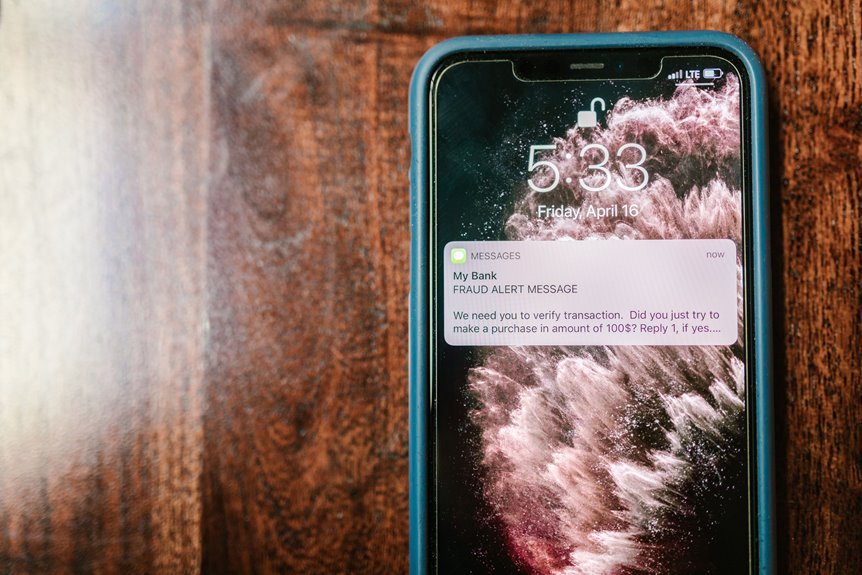
Calls from 877-313-1188 can be spoofed or automated, risking credential theft and data exposure. Red flags include vague ID, pressure tactics, and requests for sensitive info. Verification is essential: cross-check the caller with independent records, contact official channels, and document every exchange. Implement authenticated routing and minimize interruptions to trusted lines. Continuous auditing and clear escalation paths are needed, so organizations can terminate dubious calls promptly while balancing legitimate needs. The stakes suggest a careful, systematic approach to avoid costly mistakes.
Identify if 877-313-1188 Is Legitimate or Spoofed
To determine whether 877-313-1188 is legitimate or spoofed, commence with verification steps that distinguish trusted callers from impersonators. The analysis examines caller ID integrity, voice characteristics, and corroborating data sources. Indicators of identity spoofing are weighed against official records and prior contact history. Call verification methods quantify risk, enabling informed decisions while preserving user autonomy and security.
Red Flags That Signal Scams or Robocalls
Red flags in scams and robocalls appear when callers press for urgent actions, demand personal data, or use spoofed numbers.
The analysis notes suspect patterns: unsolicited requests for passwords, account numbers, or Social Security details; threats of penalties; inconsistent caller verification prompts; vague organization names; and hurried deadlines.
Recognize red flags, pause, and verify through independent channels before sharing information or taking action.
Practical Steps to Verify Callers and Protect Your Data
Practical steps to verify callers and protect data center on a methodical footing: verify the caller’s identity before sharing information, and use independent channels to confirm any claims. The process emphasizes verify caller identity, authenticating sources, and documenting exchanges to protect data privacy. Implement privacy controls, minimize interruptions, and manage lines efficiently to reduce risk without impeding legitimate access. Continuous auditing sustains risk-aware communication.
Strategies to Minimize Interruptions and Manage Your Lines
Efforts to verify caller identity and document exchanges from the prior topic set a foundation for reducing disruptions; applying those controls to live lines helps prevent unnecessary interruptions. The approach focuses on noise reduction and structured screening, enabling smoother handoffs. Caller authentication remains central: authenticate, log, and route with integrity, while avoiding redundant transfers and ambiguous prompts that invite confusion or delays.
Frequently Asked Questions
Can 877-313-1188 Be Traced to a Legitimate Business Exact Source?
The number 877-313-1188 cannot be readily traced to a legitimate business exact source; it may reflect an unverified origin. This raises privacy risks, warrants cautious handling, and suggests analysts pursue verification steps and risk mitigation measures.
How Do Robocalls From This Number Affect Multiple Lines Simultaneously?
Robocalls from this number can affect multiple lines simultaneously by synchronized patterns and spoofing techniques, overwhelming lines. Analysis emphasizes robust filtering and rate-limiting. Robocall patterns suggest coordinated attempts; countermeasures include monitoring anomalies, implementing caller-ID blocking, and targeted remediation.
Are There Legal Steps to Block or Report This Specific Number?
Yes, there are legal steps: report to carriers or authorities, pursue complaint procedures, and request blocking; options include blocked telemarketing measures, privacy safeguards, spoofing detection, and documentation to support enforcement actions for the number 877-313-1188.
What Are Best Practices for Handling Unknown Callers to Avoid Data Leaks?
Unknown callers should be treated with caution; adopt data privacy best practices and implement caller verification to minimize risk. The approach emphasizes skepticism, verification steps, and structured response workflows, enabling restrained engagement while preserving personal autonomy and information security.
Do Call-Filtering Apps Reliably Detect Spoofed Numbers Like This?
Call-filtering apps rarely detect all spoofed calls; some succeed with persistent indicators, but attackers adapt. The analysis notes limitations in spam filtering and caller ID spoofing signals, urging layered verification and user awareness for freedom-minded resilience.
Conclusion
Conclusion: In short, 877-313-1188 should be treated as high-risk until verified. The pattern of spoofing, robocalls, and impersonation teases credentials and confidential data, demanding urgent responses. A disciplined approach—independent identity verification, cross-checks, and rigorous logging—transforms risk into manageable exposure. Think of it as navigating a minefield with a metal detector: progress is steady, but each step must be deliberate, validated, and supported by safeguards to avoid false alarms and breaches.


