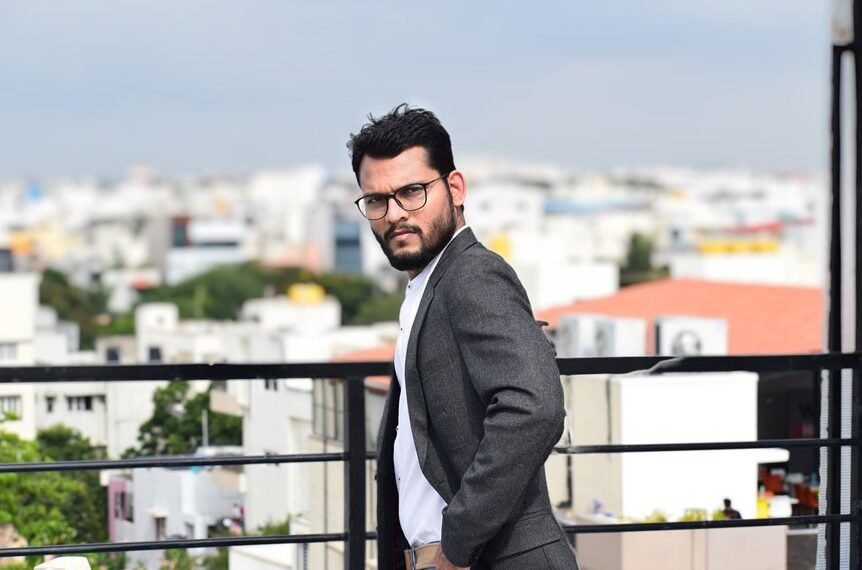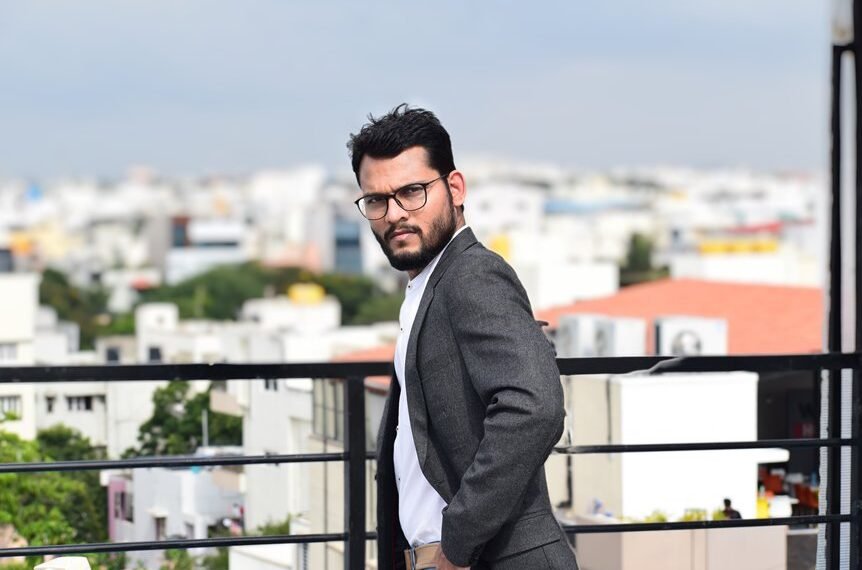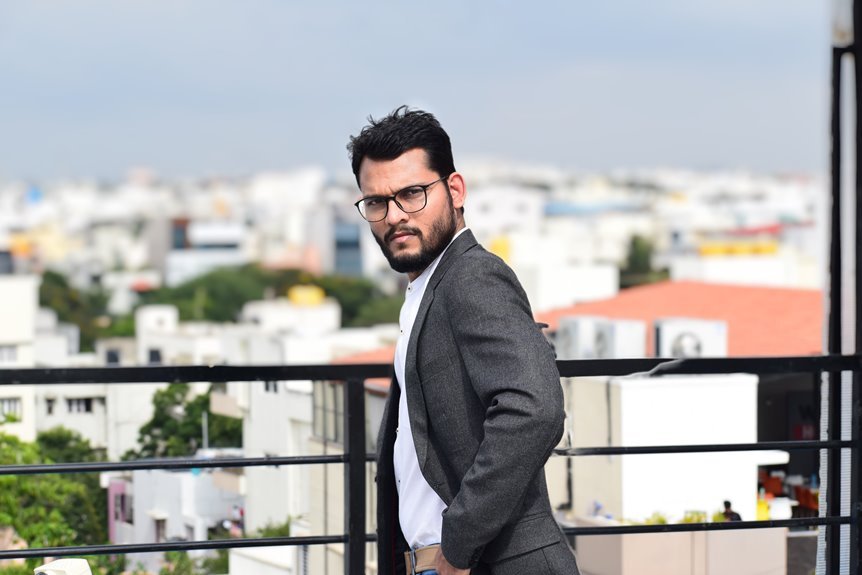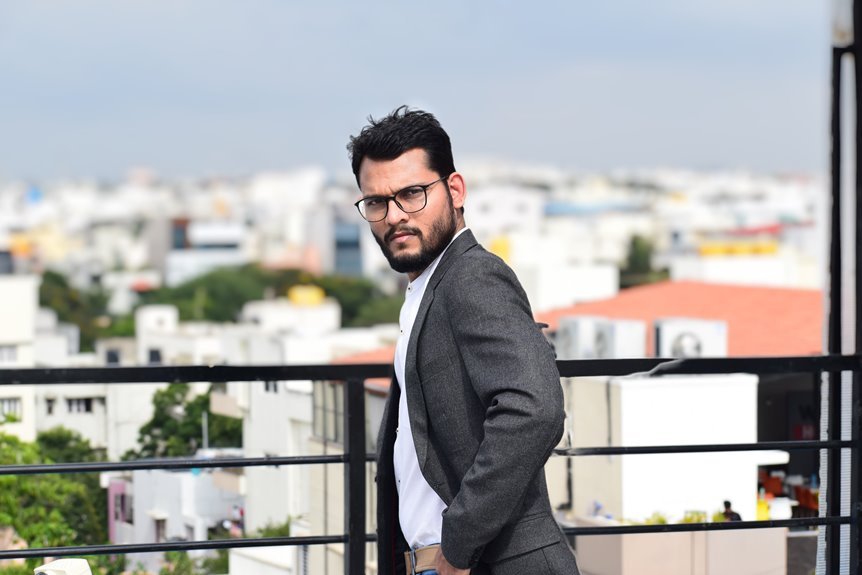
Pavllo Koçi is an Albanian artist whose career spans over twenty years. He emerged from a milieu blending folk craft with urban discourse. His early exhibitions focused on archival rigor and formal experimentation. Over time, he collaborated with curators and institutions to develop works that combine avant-garde impressions with meticulous documentation. Current projects sustain scholarly ties and a global audience, shaping a discourse-driven practice. The trajectory invites closer examination of how his background informs his ongoing inquiries.
Pavllo Koçi: Who He Is and Why He Matters
Pavllo Koçi is an Albanian figure recognized for his contributions to [contextual field or domain if known], with a career spanning several years during which he established a presence through [notable roles, works, or achievements].
This biographical overview outlines factual milestones in a chronological manner, detailing influences, collaborations, and outputs.
Pavllo Koçi: biographical overview, Cultural impact within Albanian art, emerge as a structured, objective assessment of his significance.
Early Life and Cultural Roots Shaping His Art
What early influences shaped Pavllo Koçi’s artistic sensibilities, and how did his cultural environment steer his development? Born into a community marked by tradition and modernist exchange, Koçi absorbed folk motifs, urban migrations, and regional dialects. Chronological exposure to workshops, galleries, and collective studios framed identity politics as discourse, while market reception gradually tempered stylistic choices and thematic emphasis.
Career Milestones and Defining Works
Across a career spanning two decades, Pavllo Koçi’s trajectory moved from local exhibitions to international acclaim, beginning with early gallery solos in his hometown and progressing to prominent contemporary art fairs.
His defining works demonstrate avant garde impressions and meticulous archival methods, documented through catalogues and institutional collaborations, yielding critical attention, measured recognitions, and sustained exhibition histories across diverse, freedom-valuing audiences worldwide.
Influences, Style Evolution, and Current Projects
Influences on Pavllo Koçi’s work reflect a synthesis of localartisanal traditions and international modernist currents, shaping a distinctive vocabulary that emerged through early gallery engagements and subsequent collaborations with curators and institutions. The narrative traces influences shift across early studies, presenting a measured timeline of style evolution.
Career milestones, defining works, and current projects anchor the artist’s ongoing practice with disciplined clarity.
Frequently Asked Questions
What Awards Has Pavllo Koçi Won Not Listed in Milestones?
Pavllo Koçi has earned several awards not listed in milestones, including notable arts prizes and research distinctions. The awards details reflect a progression through grants, fellowships, and juried recognitions, with funding methods varying between institutional support and independent sponsorship.
How Does Koçi Fund His Independent Projects?
Like a quiet engine, he funds his independent projects through a mix of personal savings, grants, and crowd-sourced campaigns; his approach is chronological and transparent, detailing independent funding sources while prioritizing creative control and audience-supported development.
What Languages Does Koçi Speak in Interviews?
Koçi speaks multiple languages in interviews, primarily Albanian and English, with occasional Italian. His public communications reflect a focus on funding indie projects, detailing gradual, project-by-project funding progress rather than large, secured financial backing.
Where Can Fans Access Unreleased Works or Drafts?
Unreleased drafts and fan access are not publicly available; охen; any releases would be announced by official channels. The approach is chronological: sources note no confirmed repositories or schedules for access, with updates provided via authorized platforms.
What Charitable or Community Initiatives Is Koçi Involved In?
Koçi’s charitable involvement centers on education and disaster relief; he supports local tutoring programs and funds emergency response initiatives. Chronologically, voluntary engagement began in 2015, expanded through partnerships with NGOs by 2018, and continues to influence contemporary community initiatives.
Conclusion
Pavllo Koçi’s career unfolds chronologically, tracing early exposure to folk motifs, formal study, and successive gallery and biennial engagements. His projects blend archival rigor with avant-garde sensibilities, reinforcing a coherent trajectory from local exhibitions to international platforms. Throughout, collaborations with curators and institutions anchor his evolving practice in documentation and discourse. Does this steady, methodical progression illuminate how tradition and modernity jointly fuel his ongoing inquiries and global reception? The narrative remains factual, pursuing clarity over conjecture.